
Tier II Chemical Reporting: A Simple Guide for Schools & Higher Education
Texas’ Tier II Chemical Reporting Program requires schools and universities to report certain chemicals they store on their campuses. Reports must be submitted to the Texas Commission on Environmental Quality (TCEQ) through the STEERS online reporting system by March 1 every year.
If you miss the March 1 deadline, you’re not only risking fines from the TCEQ. You’re putting your team, local emergency crews, and your community at risk. The legal, financial, and reputational consequences can be far-reaching. Tier II reporting takes time, so don’t wait!
Why Schools and Universities Need Tier II Reporting
Derived from federal law (EPCRA – the Emergency Planning & Community Right-To-Know Act) and state law, Tier II reporting ensures local first responders, like fire departments and emergency planners, know which chemicals are on-site in case of a fire, spill, or other emergency.
Many schools don’t realize the products they use every day may count as hazardous chemicals under Tier II rules. You may need to report if your campus stores large quantities of chemicals such as:
Science laboratory chemicals (acids, bases, flammables, compressed gases) - common in high school and university labs
Maintenance and operations supplies
- Cleaning chemicals (bleach, ammonia, disinfectants)
- Paints, solvents, adhesives
- Groundskeeping chemicals (fertilizers, pesticides)
Facility power and utilities
- Diesel for backup generators
- Propane tanks for heating or equipment
Battery storage (large lithium‑ion, backup uninterrupted power supply systems)
Swimming pool chemicals (chlorine, acids) - These items often reach or exceed Tier II thresholds without schools realizing it.
Who Must Report?
Many school districts and universities underestimate the chemicals they store. You must submit a Tier II report if any chemical on campus meets or exceeds the reporting threshold at any one time during the year:
Extremely hazardous substances (EHSs): Greater than or equal to 500 pounds (227 kg) or the threshold planning quantity (TPQ), whichever is less. A list of EHSs can be found here.
Hazardous substances (a material that is required to have a Safety Data Sheet): Greater than or equal to 10,000 pounds (4,540 kg)
Who Else Needs to Know?
After submitting your report to the TCEQ, you must be sent to your Local Emergency Planning Committee (LEPC) and your local fire department. For ease, you can export a copy of the report from the online STEERS reporting system. This ensures your local first responders have relevant information for effective emergency planning and response.
If you’re not familiar with Tier II Reporting, it might be because your institution does not store chemical quantities large enough to require reporting. If that’s the case, know that you are still mandated to have a compliant and active Hazard Communication Program.
Chemical safety includes a myriad of state and federal requirements that can be difficult to navigate. That’s why your knowledgeable risk solutions consultants are here to help you every step of the way. Whether you need to implement the full program, get an onsite inspection to observe current compliance practices, or review your staff training program for improvements, we’ve got you covered!
Guidance for Organizing School Chemical Inventories
Many schools struggle with tracking chemical amounts throughout the year. Consider adding these helpful best practices:
- Maintain an updated chemical inventory for each campus building.
- Assign a staff member (science teacher, lab manager, maintenance supervisor) to maintain Safety Data Sheet records.
- Keep all Safety Data Sheet files accessible to emergency responders.
- Train staff to update inventory when chemicals are received or discarded.
- Review chemicals before March 1 each year.
Common Mistakes Schools Should Avoid
- Forgetting to count all buildings on a campus
- Underestimating quantities of pool chemicals or generator fuel
- Not including waste materials stored before pickup
- Missing the annual Tier II deadline
- Thinking “we don’t have that much” without verifying actual quantities
Emergency Contacts & Coordination Best Practices
- Maintain updated emergency contact information in the Tier II report.
- Share campus maps with local fire departments showing chemical storage locations.
- Invite local responders for campus walkthroughs to improve emergency preparedness.
Tier II Chemical Reporting is an important responsibility. By keeping accurate records and reporting chemicals each year, your school helps protect students, staff, and the community. Remember that Tier II reporting takes time, so don’t wait!
Nicole Callahan
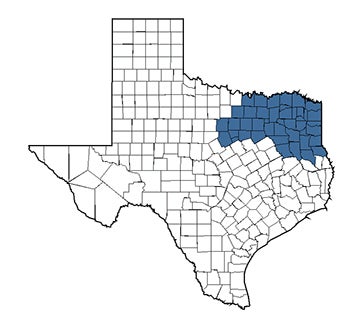
Nicole Callahan is located in Rowlett and is responsible for providing risk solutions services to Workers’ Compensation, Auto, Property, and Liability members in ESC Regions 8, 10, and 11 and most of Region 7.
Callahan joined TASB Risk Management Services as a risk solutions consultant in 2018. She began her environmental career in 2002. Callahan’s field service experience in the public and private sectors ranges from plant decommissioning to high-hazard emergency response.
You May Also Like…
View All Related Insights
How To Manage and Mitigate Your Burn Risks
From bustling kitchens to science labs to maintenance and transportation shops, there are plenty of opportunities for burns to occur at your school or community college.

The Importance of a Thorough Accident Investigation
Conduct accident investigations to uncover the root causes of workplace injuries, correct them, and reduce the risk of similar injuries.

Are You Managing Electronic Waste Safely and Compliantly?
Before you dispose of electronic devices or transfer them to students, make sure they're wiped clean of sensitive data.

Complete These District Audit Report To-Do’s Before Summer Break
Districts should conduct climate surveys and intruder assessments while stakeholders are accessible and staff, students, and visitors are coming and going.