
5 Key Traits of a Strong Risk-Ready Culture
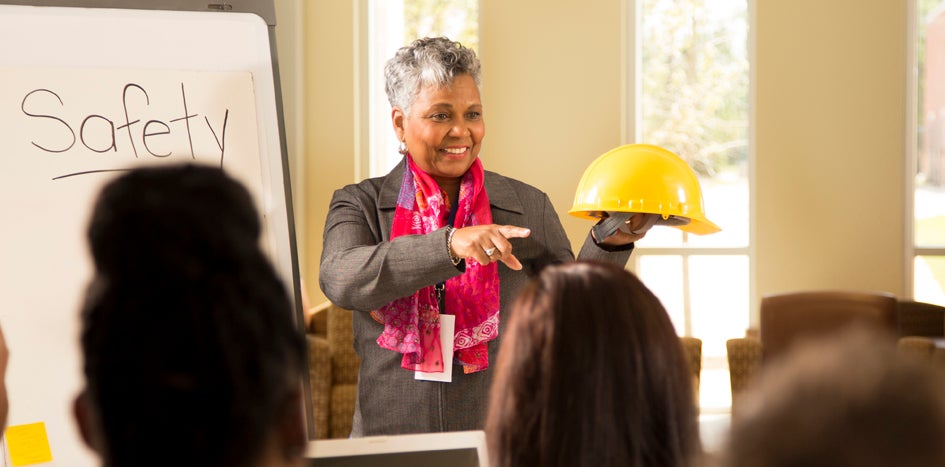
Workplace culture is the shared set of values, beliefs, behaviors, attitudes, and practices that shape how employees interact, make decisions, and perform their work within the organization. Threading in risk-readiness brings a strategic asset to the organization beyond compliance. Here's a primer to get you started.
What is Risk-Ready Culture?
Think of risk-ready culture as the things employees do (and don't do) when nobody's watching. Every organization is unique, but a few traits are common in strong risk cultures.
1. Awareness
Employees understand potential risks in their roles. In-service training sets the foundation, and regularly scheduled refresher training keeps safety top of mind.
2. Accountability
Everyone takes ownership for safety and compliance. We're not just talking about taking ownership of their own safety. Employees are also accountable for each other's safety.
3. Communication
Concerns are reported early and addressed constructively. Everyone feels empowered to report hazards and unsafe behaviors.
4. Leadership
Front-line supervisors are in the best position to promote safety and foster a strong culture. Leading by example means modeling safe behavior, following up with employees who report hazards, committing time for safety training, and make it clear that safety is a value employees should never compromise.
5. Continuous Improvement
Every time you hire new people, buy new equipment, or implement new processes, you could introduce new risk. You should constantly evaluate and adjust your safety program to keep it current and comprehensive.
Putting it All Together
Awareness, accountability, communication, leadership, and continuous improvement are the building blocks of a risk-ready culture. But what do they look like as they play out across your district?
Classroom
Slips, trips, and falls are the leading cause of workplace injuries reported by Fund members. Some injuries involved teachers standing on chairs or furniture to decorate classrooms. In a risk-ready, culture, teachers take time to get a ladder that's in good working condition.
Business Office
Employees know about fraudulent instruction scams, where cybercriminals impersonate vendors and request that payments be redirected to fraudulent accounts. To protect district funds, employees independently verify account change requests.
Attention Fund members with Cyber Liability and Security coverage: Independent verification is a coverage requirement. Learn more.
Maintenance
Employees use personal protective equipment such as hard hats consistently. They also recognize, however, that PPE is no substitute for safe behavior.
Transportation
Drivers perform daily pre-trip and post-trip inspections and report issues early during a typical school day.
A Value that Never Gets Compromised
Building a risk-ready culture doesn't happen overnight. It develops through consistent actions, clear expectations, ongoing training, and leadership commitment at every level. When employees understand risks, communicate concerns, take ownership, and continuously look for ways to improve, safety becomes a value that never gets compromised. The result is a stronger, more resilient organization that is better prepared to protect its people, property, and resources.
You May Also Like…
View All Related Insights
Safety Personnel Staffing
It’s important to understand the options for complying with the requirement in House Bill (HB) 3 of the 88th Regular Session of the Texas Legislature for having an armed security officer at each campus during regular school hours.
At Fort Bend ISD, Safety Is Personal
Fort Bend ISD launched a safety campaign built on a simple premise: workplace accidents can compromise employees' lives on and off the clock.
The Importance of a Thorough Accident Investigation
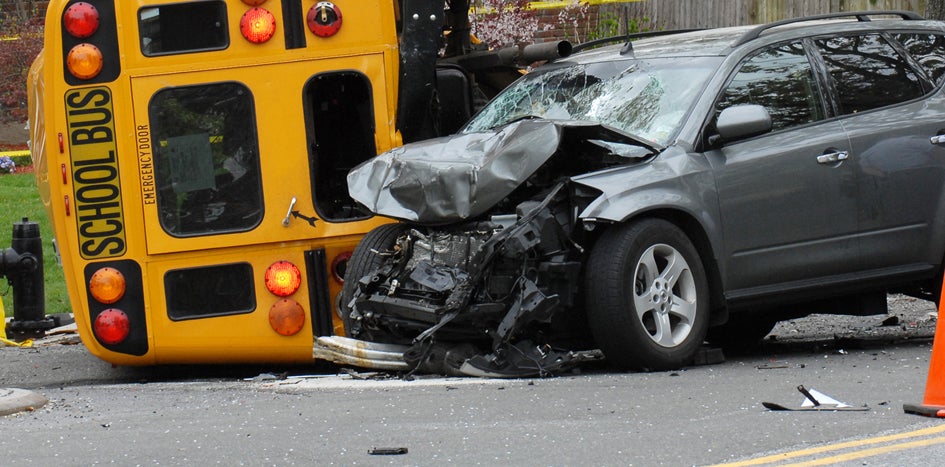
Conduct accident investigations to uncover the root causes of workplace injuries, correct them, and reduce the risk of similar injuries.

The Risks of Pests with Outdoor Work
Pests can harm people and disrupt landscaping projects and other school operations. Learn to identify and control your pest-related risks.