
Make Safety the First Lesson of the School Year
Workplace accidents, vehicle collisions, and property damage can undermine budgets, productivity, and morale. Fund Members can lay the foundation for a safe year by addressing workplace, transportation, and property risks before daily operations ramp up. The Fund's Accident Prevention Plan (APP) provides a comprehensive framework for maintaining safe places to work and learn.
Workplace Safety
Accident prevention revolves around identifying and mitigating hazards, training employees on the unique risks of their roles, investigating accidents for root causes, and preventing recurrence. Here's how an APP for workplace safety might look.
Prevent Slips, Trips, and Falls
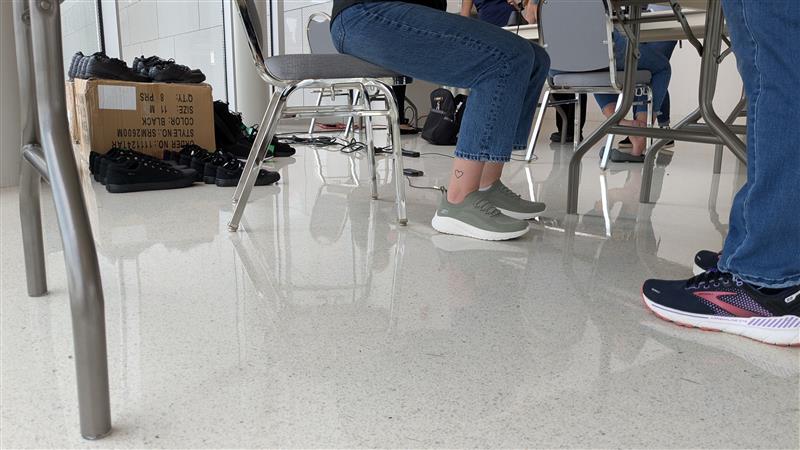
Round Rock ISD's comprehensive safety program provides auxiliary staff with slip-resistant shoes designed for their unique jobs.
Crowded hallways and hurried staff and students may collide during the first weeks of school to cause the most common workplace injury: slips, trips, and falls:
- Keep cords, clutter, and curled-up rugs out of walkways.
- Place solid floor mats at entrance doors (both sides) on rainy and snowy days.
- Promptly wipe up wet spots on floors.
- Establish a no chair/table-standing policy. Enforce the use of standard, rated stepladders for hanging decorations and retrieving overhead items.
Learn more: Mastering Slip, Trip, and Fall Prevention
Train Staff on Smart Lifting
Preparing facilities for the new school year is physically demanding work. Many strains and sprains occur while unloading supplies, rearranging classrooms, and moving equipment:
- Remind/train staff and teachers to properly lift with their legs, not their backs, and to get help with heavy boxes or equipment.
- Make sure rolling carts and dollies are available so nobody hauls heavy boxes across campus by hand.
Empower Supervisors to Understand Near Misses/Accidents
If you address hazards identified during back-to-school preparations, you can prevent injuries once campuses are fully occupied. Craft a district policy creating a near-miss reporting program so potential issues can be investigated and addressed to prevent injuries. Investigate all accidents and incidents to help prevent recurrence.
Learn more: 3 Benefits of Documenting Near Misses
Transportation Safety
As buses, district vehicles, and student transportation operations return to full capacity, remember the Fund’s APP resources are also available to members with Auto coverage. An APP in practice to reduce fleet risk might look like:
Driver Vetting and Ongoing Qualification
Before buses leave the barn for the first routes of the year, verify all drivers meet district qualification standards. Conduct annual Motor Vehicle Record (MVR) background checks for all staff permitted to drive district-owned vehicles.
Vehicle Maintenance, Pre-Trip Inspections
Back-to-school vehicle inspections help identify maintenance issues before buses and fleet vehicles return to daily service:
- Mandate documented pre-trip and post-trip inspections for buses and white fleet vehicles (testing brakes, tire tread/pressure, lights, and emergency exit doors).
- Keep bus steps clean and free of mud and slush to prevent passengers and drivers from slipping while loading/unloading.
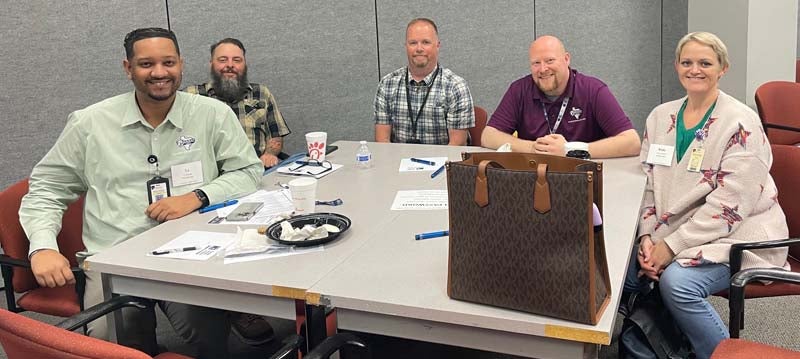
Pearland ISD Transportation Director Keith Kaup (purple shirt) formed an accident review committee to identify and correct the root causes of bus collisions.
Related resource: Pre-Trip Inspection Checklist for Buses
Distracted Driving Policies
Distraction-free driving is critical, especially when traffic increases around campuses during drop-off and pick-up. Enforce a strict policy against mobile phone use while operating district vehicles. Your policy should prohibit texting, calling, or fiddling with navigation while operating a district vehicle.
Property
When you protect property, you’re supporting a safe working environment by protecting staff and student occupants. The same accident prevention principles apply and look like this in practice:
Fire and Kitchen Safety
Verify fire protection systems are ready before cafeterias, classrooms, and common areas get back to daily operations.
- Ensure annual inspections of fire alarms, sprinkler systems, and fire extinguishers.
- Keep kitchen hood fire-suppression systems clean and routinely serviced. Ensure fire extinguishers are up-to-date and easy to reach.
- Avoid heavy reliance on extension cords or daisy-chained surge protectors in classrooms (e.g., daisy-chaining three power strips together behind desks).
Roofs, Pipes, and Water
Minor roof leaks and other maintenance issues can balloon into major (and costly) damage:
- Inspect roofs at least twice a year (fall and spring) to clean gutters, clear drains, and patch compromised roof systems (membrane seals) before major weather events.
- Implement winterization policies for plumbing lines to prevent freeze-related pipe damage in colder climates (e.g., drip pipes and insulate exposed lines before freezing weather to avoid flooding).
Learn more: Nail Your Next Roof Inspection
Campus Maintenance
Inspect parking lots, sidewalks, playgrounds, and athletic areas before students and visitors return to campus:
- Fix potholed parking lots and uneven sidewalk slabs to prevent slip-and-fall incidents.
- Trim back dead tree limbs near roofs, play areas, and power lines to prevent inclement weather from damaging property.
- Anchor outdoor equipment, bleachers, and shed structures for protection during heavy winds.
Back-to-school season is more than a time to prepare classrooms and lesson plans. It's also an opportunity to strengthen the safety practices that protect employees, students, vehicles, and facilities all year long. Taking a proactive approach now can help prevent injuries and losses later.
Jesse Gonzales
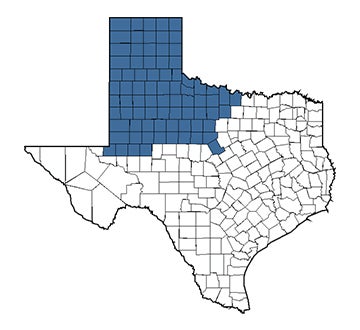
Jesse Gonzales is located in Levelland and is responsible for providing risk solutions services to Workers’ Compensation, Auto, Property, and Liability members in ESC Regions 9, 14, 16, and 17 and parts of Region 18.
Gonzales joined TASB Risk Management Services as a senior risk solutions consultant in 2015. He began his professional career in environmental health and safety in 2007 and has extensive experience in the private sector.
You May Also Like…
View All Related Insights
The Basics of School Fleet Management
Your community relies on your district's vehicles, so take care of your buses, trucks, and cars with these fleet management basics.
Protect Your Fleet With a Preventative Maintenance Plan
If you want to protect your vehicles and their passengers, you need an effective preventative maintenance plan.
How To Manage and Mitigate Your Burn Risks
From bustling kitchens to science labs to maintenance and transportation shops, there are plenty of opportunities for burns to occur at your school or community college.
The Importance of a Thorough Accident Investigation
Conduct accident investigations to uncover the root causes of workplace injuries, correct them, and reduce the risk of similar injuries.